The entertainment industry has always been a target for theft, but the nature of what needs protecting has undergone a radical transformation. In the early days of Hollywood, “security” often meant a single watchman tasked with keeping curious fans away from a soundstage. Today, as we move through 2026, the stakes have shifted from physical hardware to highly sensitive intellectual property and proprietary technology.
Modern film set security management must now address a complex web of risks, including drone-based industrial espionage, social media spoilers, and the theft of high-tech “virtual production” equipment. Transitioning from basic perimeter watches to a technology-driven protection plan is no longer a luxury; it is a requirement for any production that hopes to see its project reach the screen uncompromised.
The Shift from Physical Perimeter to Intellectual Protection
For decades, the primary goal of set security was the protection of physical cameras, lenses, and lighting rigs. While these items remain incredibly expensive, they are often insured and replaceable. Intellectual property (IP), however, is not. A single leaked photo of a lead actor in costume or a snippet of a leaked script can derail a multi-million dollar marketing campaign in seconds.
The evolution of film set security management now includes “digital perimeter” strategies. This involves strictly enforced “no-camera” zones for cast and crew, the use of anti-drone frequency technology to prevent aerial leaks, and encrypted digital storage for dailies. In the heart of the industry, 24/7 security guard services in Los Angeles have adapted to these needs by deploying officers trained specifically in anti-piracy protocols and non-disclosure enforcement.

Securing the “Virtual Production” Frontier
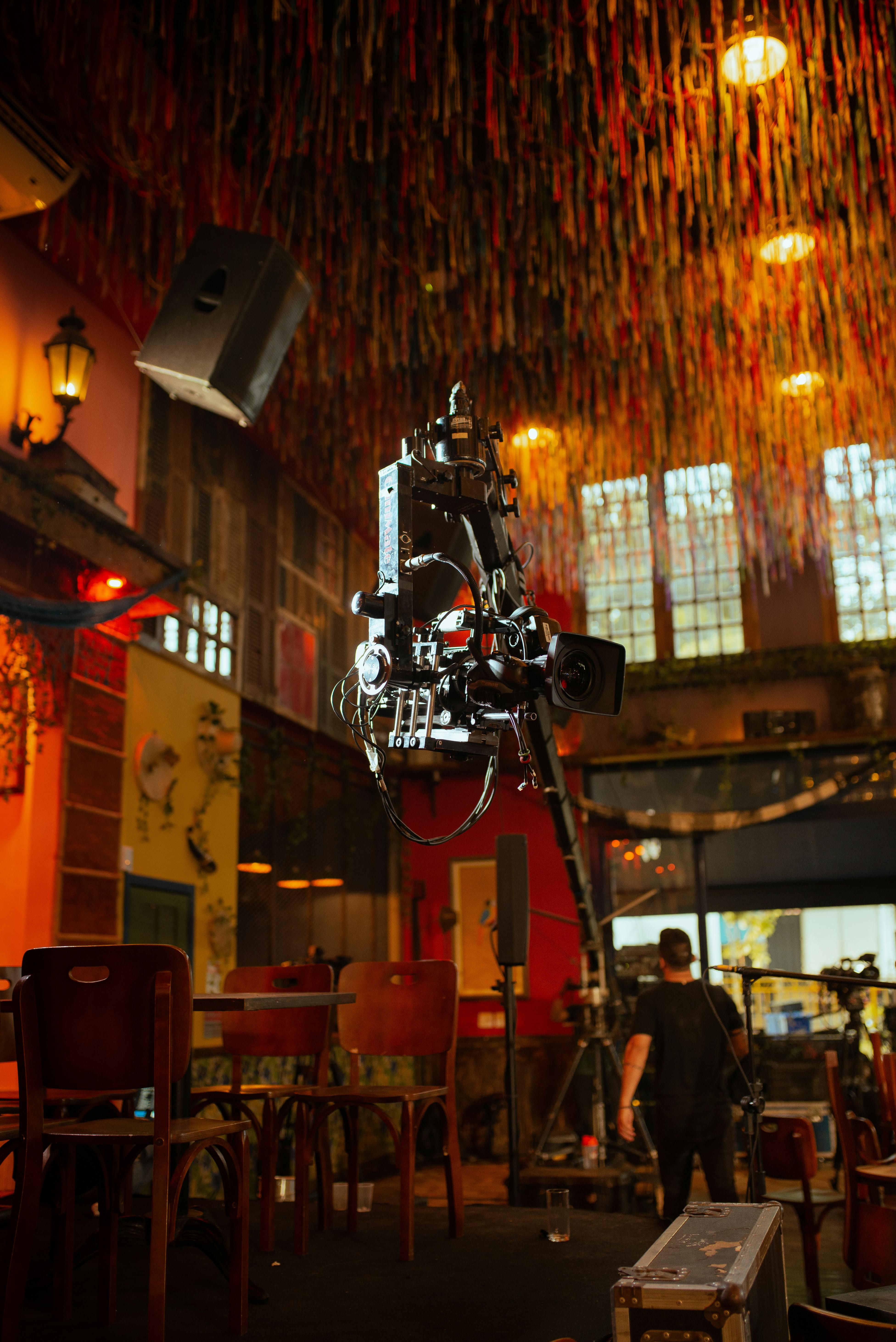
The rise of LED volumes and real-time rendering stages has brought high-tech computing power directly onto the film set. These “Volume” sets house delicate, high-value electronics that are sensitive to both physical damage and unauthorized data access.
Traditional contract security services in Los Angeles have had to modernize their training to handle these environments. Security is now as much about “technical oversight” as it is about “physical presence.” Guards must ensure that only authorized personnel enter the rendering suites and that all hardware is logged and secured after wrap. This level of detail ensures that the technological heart of the production remains intact throughout the shooting schedule.
The Challenges of On-Location Security
While studios offer a controlled environment, on-location shoots are notoriously difficult to secure. Whether filming in a crowded downtown alley or a remote desert landscape, the perimeter is constantly shifting.
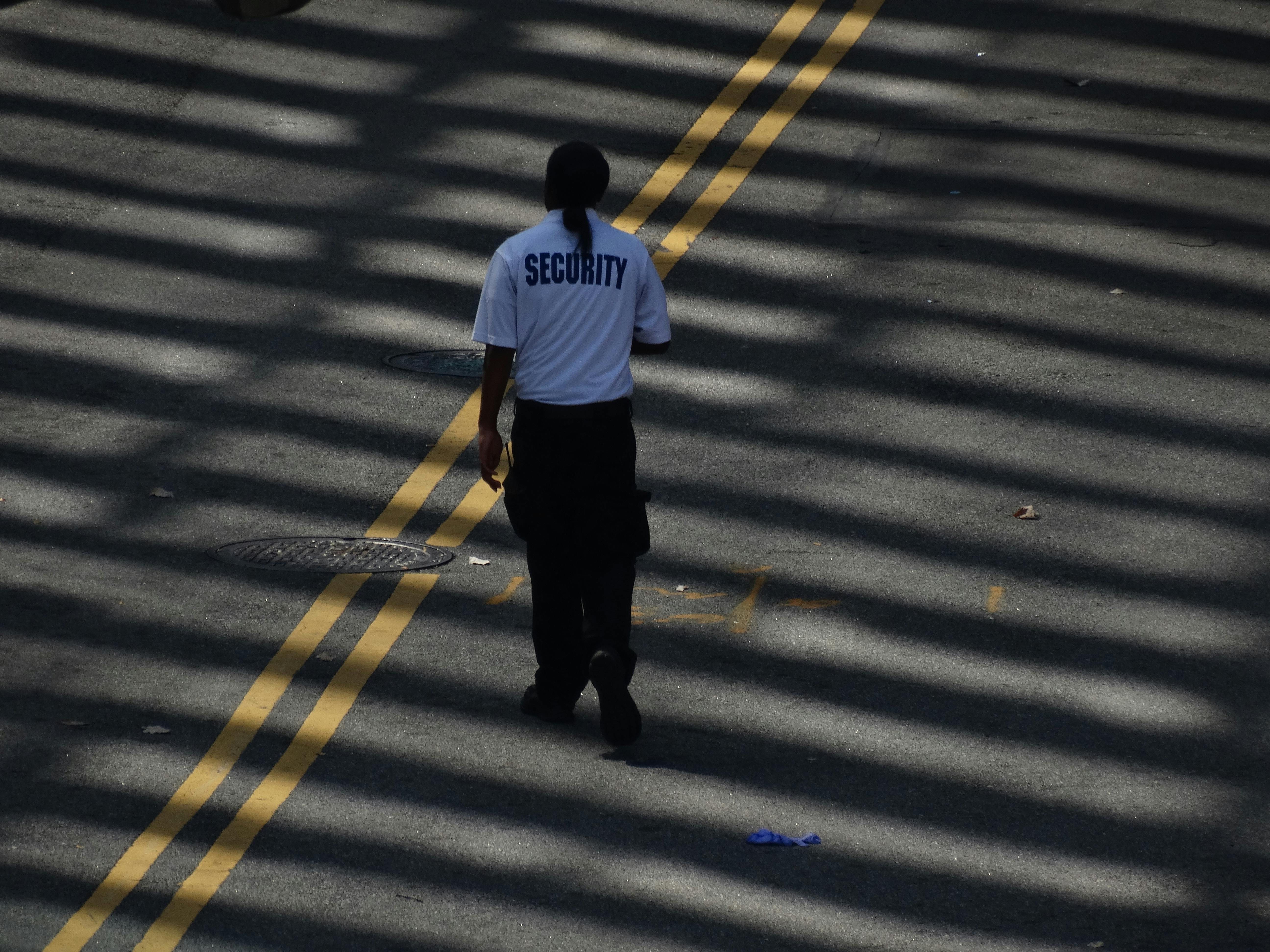
To manage this, film set security management now utilizes a tiered response model. At the center are the 24/7 security guard services in Los Angeles that provide a constant presence at Basecamp and the equipment trucks. On the outer ring, mobile units—often on bikes or carts—perform randomized patrols to identify “looky-loos” or professional paparazzi before they get within range of the action. This nimble approach allows the production to maintain its creative flow without constant interruptions from the public.
Integration of Surveillance and Human Oversight
The most significant evolution in asset protection is the integration of AI-assisted surveillance. Modern film sets often utilize mobile surveillance trailers equipped with thermal imaging and motion analytics. These “smart sensors” can detect movement in the dark or in restricted areas, instantly alerting the on-site security team.
When a production hires contract security services in Los Angeles, they aren’t just getting personnel; they are getting a coordinated response network. A guard on-site can be directed by a remote monitor to investigate a specific anomaly, ensuring that the security team is always in the right place at the right time. This synergy reduces the need for “mass” security while significantly increasing the effectiveness of the protection plan.
Planning for the “Unseen” Risks
As we look toward the future of production, security plans must also account for environmental and medical risks that could shut down a set. Modern security officers are often trained as first responders, capable of managing crowd control during a medical emergency or coordinating an evacuation during a wildfire threat—a common concern for SoCal location shoots. By viewing security as an “all-hazards” management tool, production offices can protect their most valuable asset of all: their people.
Partner With Allite Patrol and Security Services for Your Next Production
The entertainment world moves fast, and your security needs to move with it. Whether you are filming a high-budget feature or a fast-paced commercial, we provide the elite oversight required to keep your production on track. At Allite Patrol and Security Services, we understand the specific nuances of the Los Angeles film community.
Contact us today to learn how our film set security management and 24/7 guard services can safeguard your equipment, your cast, and your creative vision.
FAQs
- What is the most common security threat to modern film sets?
While physical theft is always a concern, the most prevalent modern threat is the leak of intellectual property via unauthorized photography or drones. Our teams specialize in anti-piracy protocols and aerial surveillance detection to ensure your project remains confidential until its release. - How do you handle security for a production that moves between multiple Los Angeles locations?
We offer scalable mobile units that transition with your “circus” from site to site. Our team coordinates the logistics of securing basecamps, parking for talent, and the set itself, providing a seamless 24/7 security presence regardless of the location. - Does Allite Patrol and Security Services provide specialized security for high-tech LED volumes and rendering stages?
Yes. We train our officers to understand the specific sensitivities of virtual production environments. This includes restricted access management for data rooms and physical oversight of expensive LED panels and computing hardware.