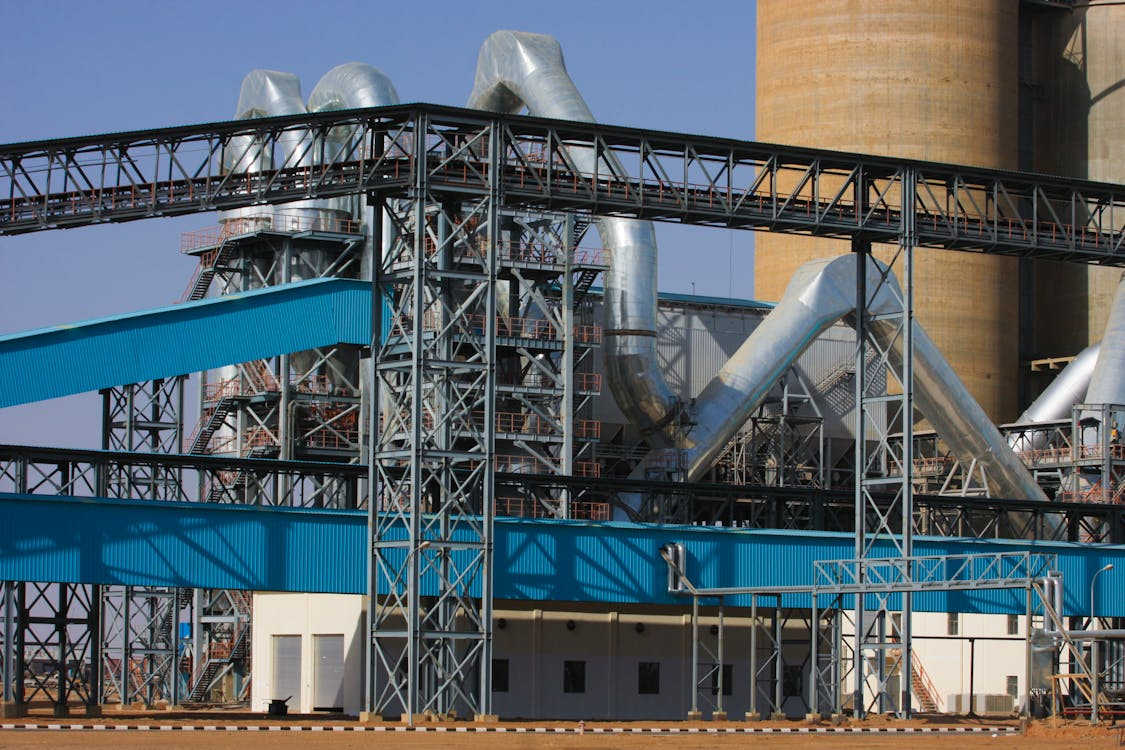
In the high-stakes world of global logistics, the warehouse is no longer just a storage space; it is a high-velocity data and asset hub. As we move through 2026, the threats facing these facilities have evolved far beyond simple trespassing. Modern industrial hubs must now contend with sophisticated cargo theft rings, AI-driven corporate espionage, and complex internal shrinkage. To protect these assets, a single line of defense is insufficient. The gold standard for 2026 is a multi-layered industrial security infrastructure design that blends physical presence with autonomous technology.
Designing this architecture requires a shift in perspective. Security must be viewed as a “defense-in-depth” ecosystem where each layer—from the outer fence line to the digital inventory log—communicates in real-time. This guide explores how to build a seamless safety net for expansive distribution centers.

Layer 1: The Intelligent Perimeter and Deterrence
The foundational layer of any robust security architecture begins at the property line. In the expansive industrial zones of Southern California, the perimeter is often the most vulnerable point due to its sheer scale and the difficulty of maintaining constant human eyes on every fence panel. Modern industrial security infrastructure design has moved beyond simple chain-link fences and barbed wire, evolving into “Smart Perimeters” that utilize technology to identify threats before they even cross onto the property.
Autonomous Surveillance Trailers
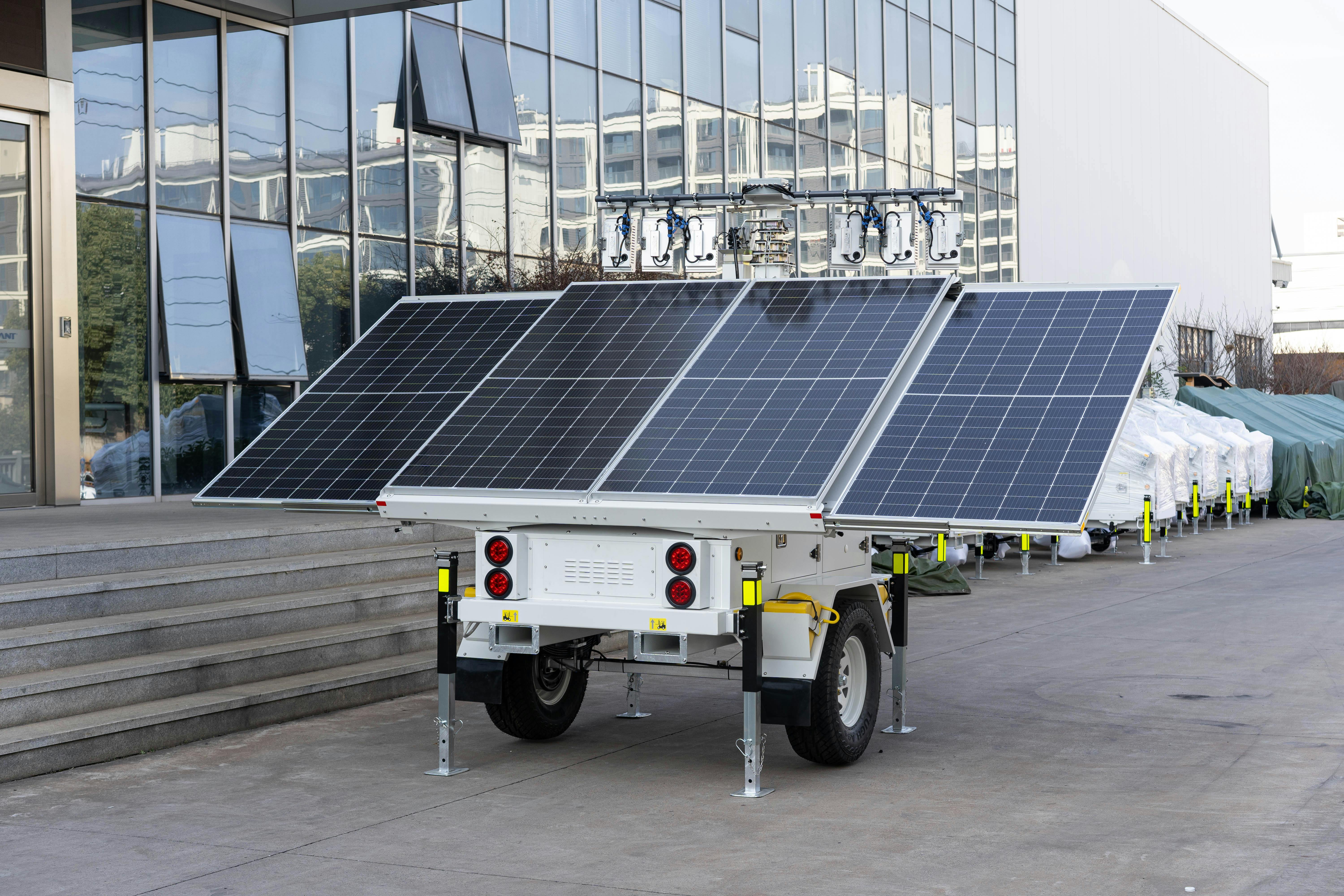
For logistics hubs or construction sites where permanent infrastructure—like buried fiber optics or hardwired power—is difficult or cost-prohibitive to install, solar-powered security trailers have become a game-changer. These mobile units act as autonomous sentries, equipped with 360-degree high-definition cameras and thermal imaging.
The core advantage of these trailers is their onboard AI-video analytics. Unlike traditional “dumb” cameras that trigger an alert for every swaying tree branch or stray animal, these units use machine learning to distinguish between a harmless animal and a human intruder. This drastically reduces “false alarm fatigue” for monitoring teams. When a genuine threat is detected, the unit sends an instant high-priority alert to a central command center, complete with live footage and GPS coordinates. This ensures that the perimeter is never truly “unwatched,” even in the most remote corners of a massive industrial lot.
Psychological Deterrence and Hardening
Deterrence is as much about the psychology of the criminal as it is about the physical strength of the barrier. Professional criminals typically perform a risk-to-reward analysis before choosing a target; they look for the path of least resistance. To disrupt this analysis, a facility must project an image of active, high-alert oversight.
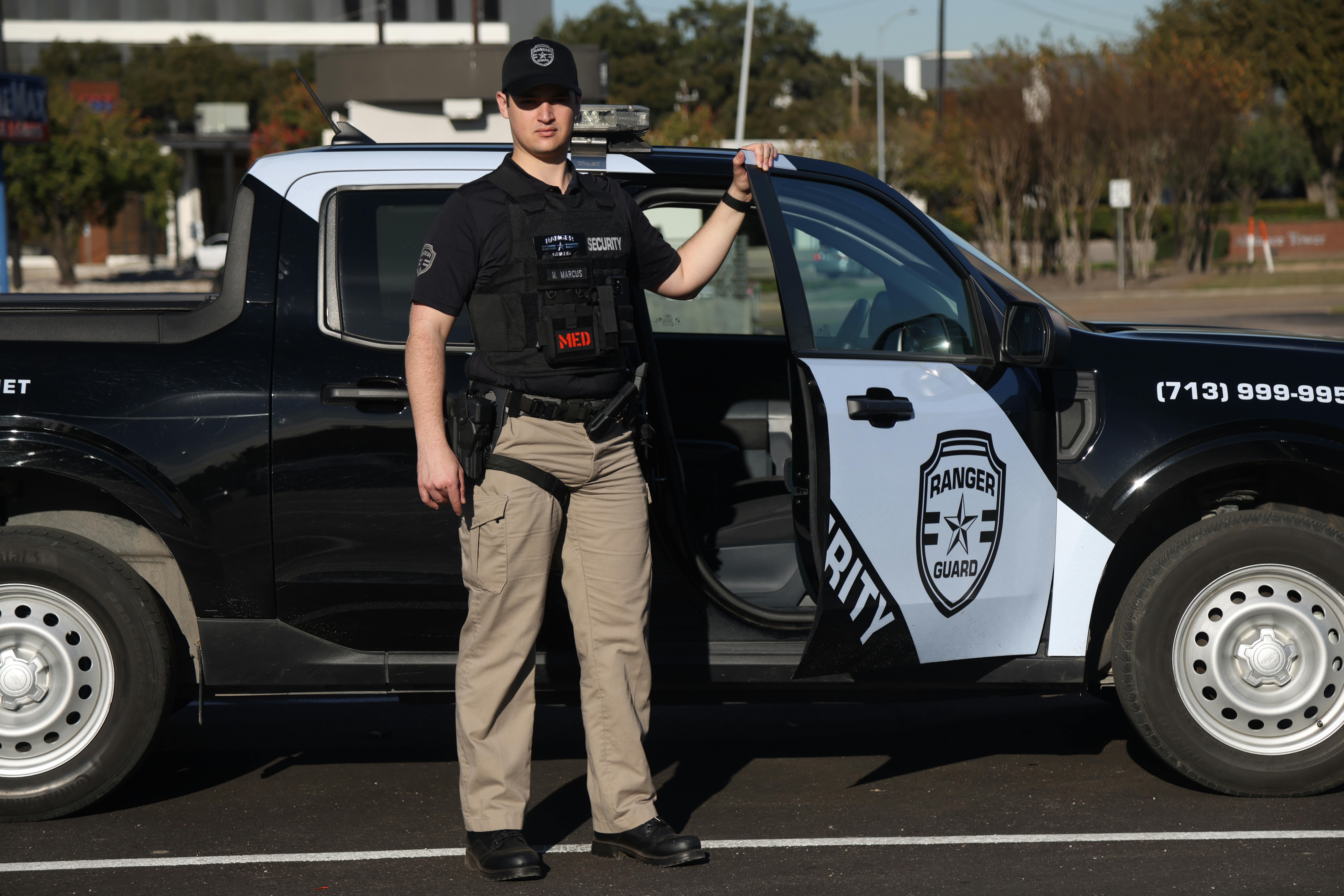
High-visibility signage indicating 24/7 video recording and armed response is the first step. This is reinforced by “active” lighting—bright LED floodlights that remain at a low glow but snap to full brightness upon motion detection. This sudden change in light levels signals to an intruder that they have been spotted. This psychological pressure is further amplified by regular, high-visibility sweeps from vehicle patrol services in Los Angeles. When a potential bad actor sees a marked security unit making frequent, randomized passes, the facility transitions from a “soft target” to a “hard target.” This visible, active security presence is often enough to convince a thief to move on to a less-protected site.
Layer 2: Rapid Response and Mobile Oversight
A perimeter breach is only a true crisis if it goes unaddressed. In a 500,000-square-foot distribution center, a breach at the far end of the property can easily go unnoticed by staff at the main office. The second layer of defense focuses on the “Speed of Intervention.” This layer ensures that once an alert is triggered at the perimeter, a physical response is initiated immediately.
Vehicle Patrol Services
Professional vehicle patrol services in Los Angeles provide the tactical agility necessary to cover massive acreage that would be impossible to secure on foot alone. These units are mobile hubs of authority, equipped with radio communication, spotlights, and digital reporting tools.
The strategy behind these patrols is “Randomized Vigilance.” Instead of following a predictable path that a criminal could time, our vehicle patrol services in Los Angeles perform sweeps of high-risk “hot spots”—such as trailer yards, fuel depots, equipment storage, and employee parking lots—at irregular intervals. This unpredictability keeps would-be intruders on edge. Furthermore, vehicle patrols allow for “perimeter checking” from the inside out; guards check for cut fences, tampered locks, or propped-open loading dock doors that might be invisible to external cameras.
Synergy with Command Centers
The true power of mobile patrol security in Los Angeles lies in its real-time integration with a remote command center. This creates a “hub-and-spoke” model of security. When a smart sensor on the fence line or a mobile surveillance trailer triggers an alert, the command center operator instantly “pushes” that alert to the mobile unit’s dashboard.
This synergy reduces response times from minutes to seconds. Because the patrol officer is already in a vehicle and familiar with the site’s layout, they can navigate directly to the breach point with tactical precision. This rapid intervention allows the guard to interrupt a crime in progress—such as a trailer being hooked up or a catalytic converter being cut—before the thieves can exit the property. This layer of defense turns passive monitoring into an active, protective force.

Layer 3: Access Control and “Frictionless” Security
Once the perimeter is secured and the response team is in place, the focus shifts to the “Internal Flow.” An industrial hub is a beehive of constant activity, with a revolving door of employees, independent contractors, and third-party delivery drivers. Layer 3 is designed to manage this flow, ensuring that “The Right People have The Right Access at The Right Time,” all while preventing internal shrinkage and unauthorized entry.
Biometric and RFID Entry Systems
In a modern warehouse, traditional metal keys and standard swipe cards are becoming obsolete. They are too easily lost, stolen, or duplicated. To maintain a high-security posture, modern hubs are shifting toward biometric scanners or encrypted RFID tags.
These systems do more than just unlock doors; they provide an audit trail. Every time an employee enters a high-value inventory zone (HVZ) or a driver checks into the gate, a digital timestamp is created. This data is essential for “Internal Loss Prevention.” If inventory goes missing from a specific cage, managers can review the logs to see exactly who was in that area during the window of loss. This digital “paper trail” serves as a significant deterrent for internal theft and ensures total accountability across the workforce.
Warehouse and Industrial Security Services
Technology is a powerful tool, but it cannot replace the critical thinking of a trained professional. On-site personnel provided by warehouse and industrial security services in Los Angeles act as the human filter and “quality control” for this layer. These guards are stationed at the most critical points of friction—the guard shack and the shipping/receiving docks.
Our guards manage the “truck-in/truck-out” logs with meticulous detail, verifying driver IDs against the shipping manifest and performing physical seal verifications on outbound trailers. This prevents “cargo clipping” and unauthorized pickups. Furthermore, these guards ensure that access control policies are strictly followed; they prevent “tailgating” (where an unauthorized person follows a badge-holder through a door) and ensure that visitors are properly escorted. By combining these rigorous human protocols with advanced industrial security infrastructure design, a facility creates a frictionless yet formidable barrier against both external and internal threats.
Layer 4: The Cognitive Interior and AI Analytics
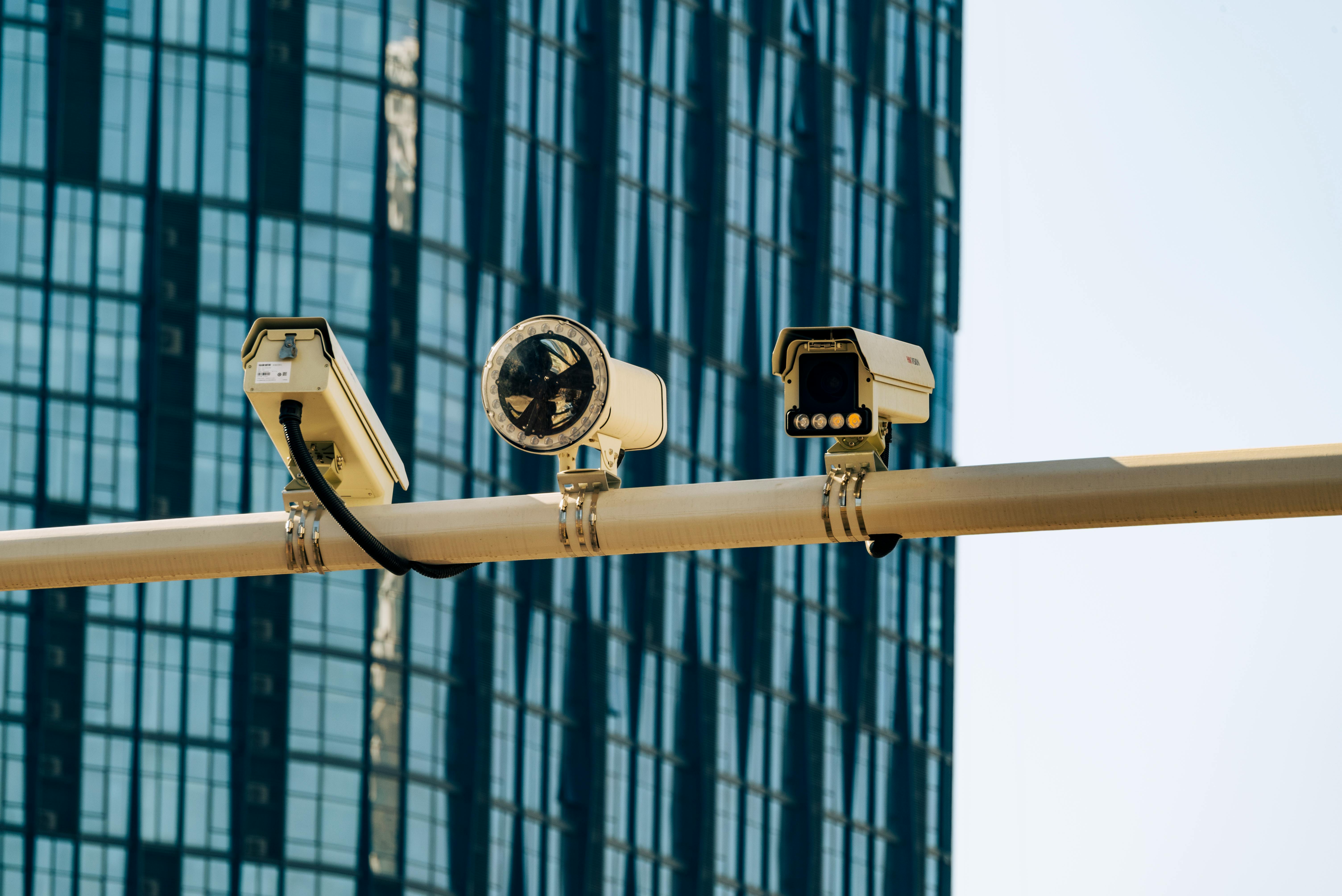
Once the focus shifts inside the warehouse walls, the architecture evolves into what is known as “The Cognitive Interior.” This layer moves beyond simple recording and transforms your surveillance network into an active participant in facility safety. By utilizing advanced AI-video analytics, cameras can now identify specific behaviors that indicate a security or safety breach. For instance, sensors can detect “loitering” in restricted zones or “object removal” in high-value cages, instantly alerting warehouse and industrial security services in Los Angeles to investigate the anomaly before a theft is even completed.
Furthermore, the implementation of “Virtual Tripwires” allows managers to draw digital boundaries around sensitive racking sections or hazardous machinery. If a person or forklift crosses these invisible lines during unauthorized hours, a silent alarm is triggered in the command center. This layer also adopts an “all-hazards” approach by integrating environmental monitoring. Modern systems track rapid rises in heat, the presence of smoke, or even water leaks near expensive electronics. This proactive monitoring ensures that the facility is protected against environmental disasters just as rigorously as it is against criminal activity.

Layer 5: Data Integration and Predictive Intelligence
The final and most sophisticated layer of a modern architecture is the “Brain”—the centralized integration of all security data. By aggregating information from every camera, biometric scanner, and patrol log into a single, intuitive dashboard, facility managers can identify patterns that would otherwise go unnoticed. This shift from reactive to predictive security is what defines a world-class logistics hub in 2026.
For example, if the integrated data reveals a recurring trend of unauthorized loitering at a specific perimeter gate every Tuesday at 2:00 AM, the security plan can be adjusted dynamically. Instead of a general patrol, managers can increase mobile patrol security in Los Angeles for that specific window of time. By analyzing historical data to predict future vulnerabilities, businesses can stay two steps ahead of organized crime rings. This intelligence-led strategy ensures that resources are deployed with maximum efficiency, providing a robust, data-backed safety net that evolves alongside the threats it is designed to stop.
Secure Your Logistics Hub with Allite Patrol and Security Services
Designing a multi-layered security architecture is a complex undertaking that requires specialized expertise. At Allite Patrol and Security Services, we specialize in the unique demands of the Southern California industrial sector. We provide the elite personnel and technological integration needed to turn your warehouse into an impenetrable fortress.
Call Allite Patrol and Security Services today to schedule a comprehensive site audit. Let us help you implement a custom industrial security infrastructure design that protects your assets and keeps your supply chain moving.
FAQs
- Why is a multi-layered approach better than just having cameras?
Cameras are a passive tool that records events; a multi-layered approach is an active system. By combining deterrence (lighting/signs), detection (AI-cameras), and response (mobile patrols), you ensure that threats are not just recorded, but interrupted and neutralized before loss occurs.
- How do vehicle patrol services in Los Angeleshandle such large properties?
We use a combination of randomized route software and GPS tracking. This ensures that every “zone” of the property is hit multiple times per shift, and the command center can verify the exact location of the patrol unit at all times for maximum accountability.
- Is it expensive to implement an industrial security infrastructure design?
While there is an initial investment, a multi-layered system often pays for itself by significantly reducing inventory shrinkage, lowering insurance premiums, and preventing the massive costs associated with a major cargo theft or facility fire. Allite offers scalable solutions to fit various budget levels.