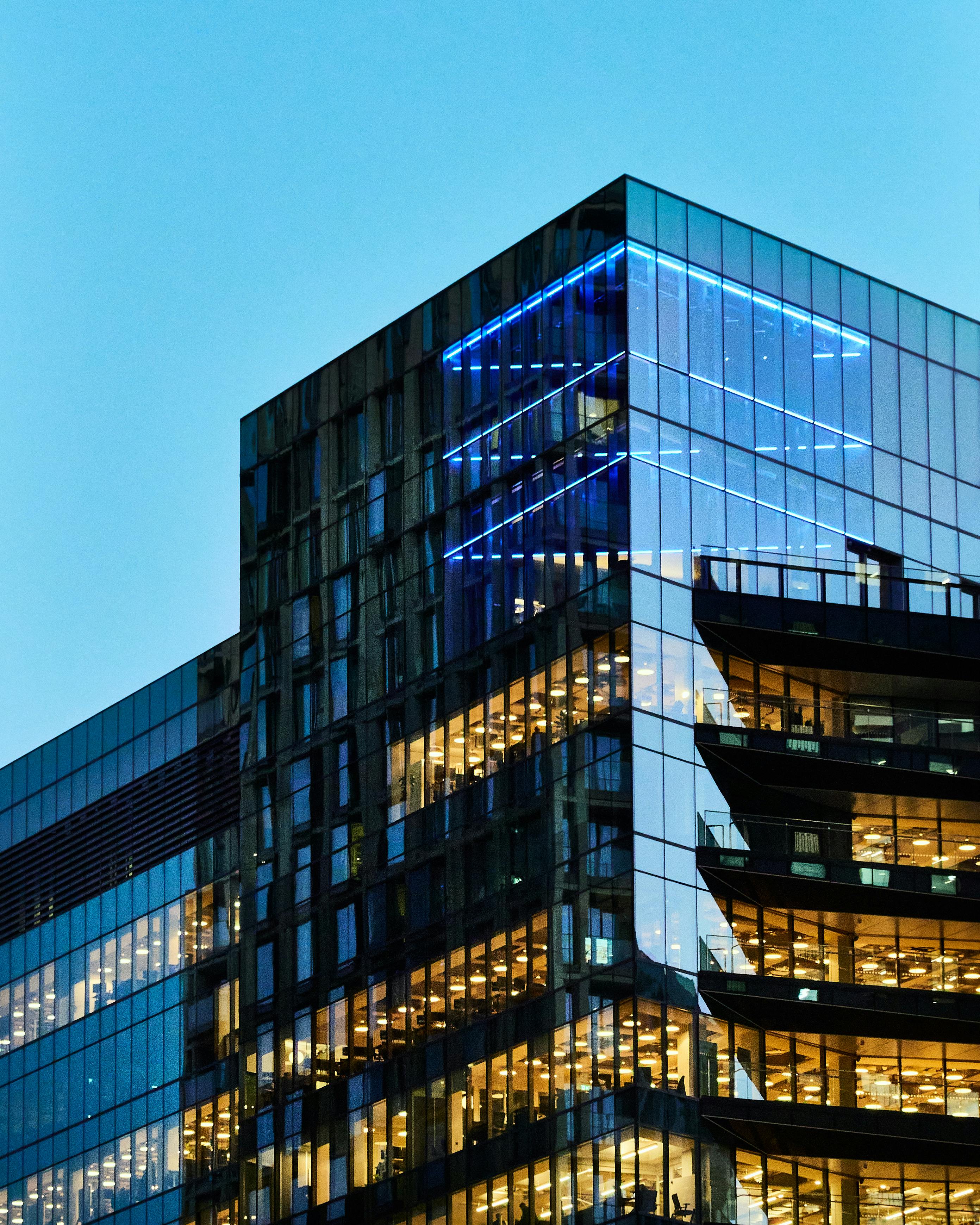
In the vertical landscapes of modern metropolitan centers, the high-rise corporate headquarters stands as a symbol of economic power and architectural achievement. However, these towering structures also present some of the most complex challenges in the world of security. A high-rise is more than just a building; it is a high-density ecosystem where thousands of employees, visitors, vendors, and executives intersect daily.
For property managers and owners, corporate office security management is no longer just about locking doors at night. It is about creating a comprehensive, layered strategy that balances the open, welcoming nature of a professional lobby with the rigorous, invisible barriers required to protect intellectual property and human life. In this definitive guide, we explore the strategic pillars of securing high-rise commercial real estate in the modern age.
The Evolution of the Corporate Lobby: From Guard to Concierge
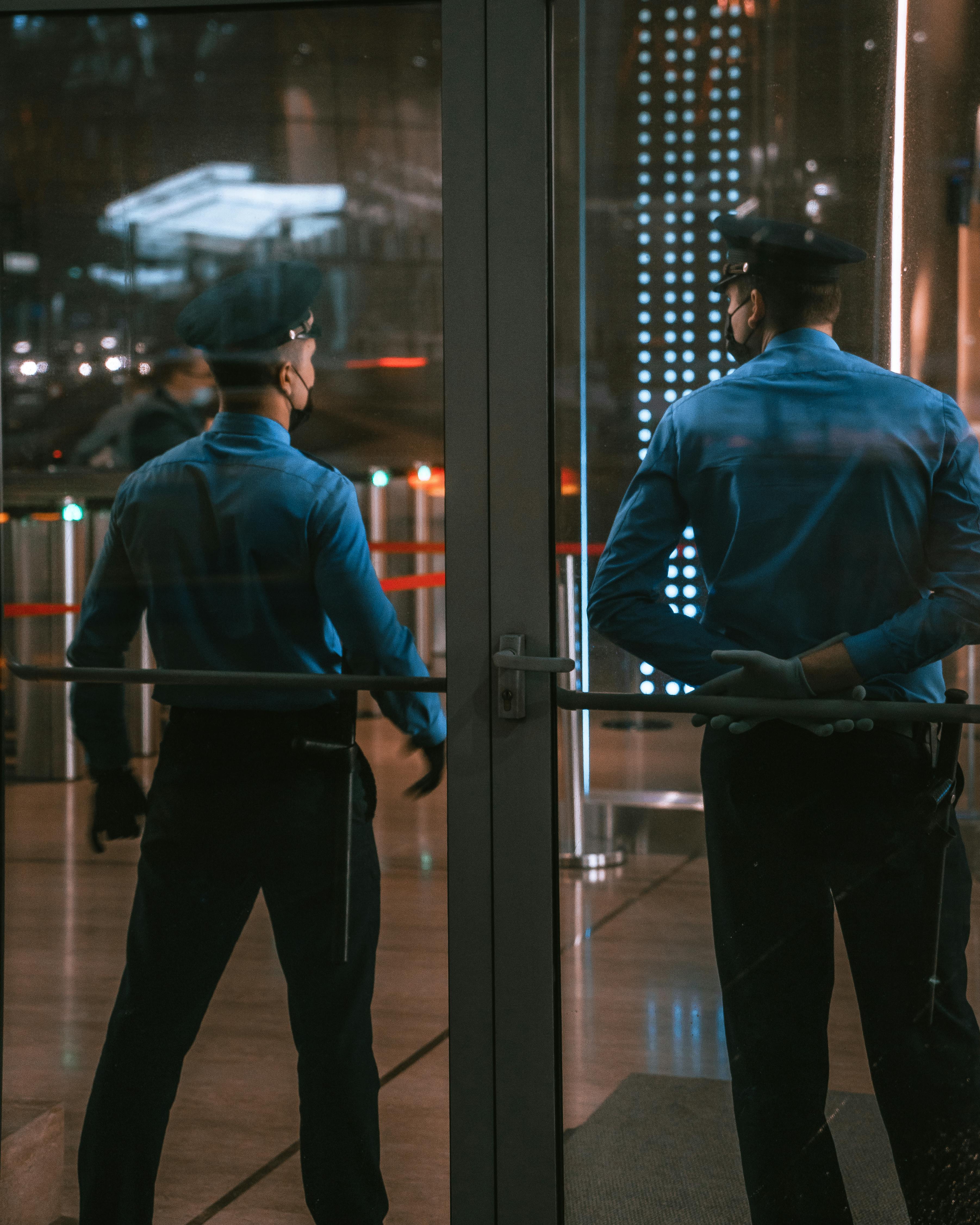
The first point of contact in any high-rise building is the lobby. In a premier corporate environment, the security presence must reflect the prestige of the tenants. This has led to the rise of the “Concierge-Style” security model.
Traditional security often relied on a purely tactical appearance, which can be off-putting in a professional setting. Modern office building security services in Los Angeles now prioritize “Corporate Ambassadors”—professionals who are as skilled in hospitality as they are in tactical response. These on-site security officers in Los Angeles serve as the face of the building, greeting tenants by name and assisting visitors, while simultaneously performing a subtle, constant risk assessment. They monitor body language, identify unauthorized loitering, and manage the flow of the lobby without ever disrupting the high-end atmosphere.

Advanced Access Control: Managing the Vertical Flow
Once a visitor passes the reception desk, the challenge of “vertical security” begins. In a multi-tenant high-rise, it is critical to ensure that a visitor on the 5th floor cannot inadvertently (or intentionally) wander onto the executive suite on the 40th floor.
Destination Dispatch and Elevator Integration
Modern corporate office security management utilizes destination dispatch elevator systems integrated with access control. When a tenant swipes their badge at the turnstile, the system automatically assigns them an elevator that only services their authorized floors. This “frictionless” security prevents floor-hopping and ensures that sensitive corporate environments remain isolated from public-access areas.
Biometric and Mobile Credentials
The era of the easily lost plastic keycard is ending. High-rise facilities are increasingly adopting mobile credentials—where a tenant’s smartphone acts as their key—or biometric scanners. These systems are significantly harder to bypass or duplicate, providing a higher level of certainty regarding who is actually inside the building at any given time.

The Role of On-Site Security Officers in High-Stakes Environments
While we live in an era of remarkable technological advancement, technology remains a force multiplier rather than a total solution. In the vertical complexity of a high-rise building, even the most sophisticated AI-driven surveillance cannot replace the critical thinking, intuition, and physical intervention of human professionals. For high-traffic corporate headquarters, on-site security officers in Los Angeles provide several essential functions that digital systems simply cannot replicate.
Loading Dock and Freight Oversight
The loading dock is often the “soft underbelly” of a high-rise. While the main lobby is guarded by turnstiles and cameras, the freight entrance sees a constant stream of vendors, couriers, and maintenance crews. Without a physical presence, this area becomes a significant vulnerability. On-site security officers in Los Angeles manage the complex logistics of the dock, maintaining meticulous vendor logs and inspecting deliveries for prohibited items. They ensure that delivery personnel do not “tailgate” into the main building elevators or bypass security protocols to access tenant floors. By securing this industrial ingress point, officers prevent unauthorized persons from infiltrating the building’s core.
Stairwell, Mechanical Room, and “Dead Zone” Patrols
High-rise buildings contain miles of stairwells, service corridors, and sensitive mechanical rooms that house HVAC, electrical, and telecommunications infrastructure. These areas are often “dead zones” for camera coverage due to structural interference or the impracticality of wiring thousands of sensors. Regular, randomized foot patrols are the only way to ensure these areas aren’t being used for unauthorized access, loitering, or the placement of hazardous materials. Officers check that fire doors are latched, mechanical rooms are locked, and server rooms—the heartbeat of corporate data—remain undisturbed. This proactive physical verification is a cornerstone of corporate office security management.
Conflict De-escalation and Professional Intervention
In a high-pressure corporate environment, tensions can escalate rapidly. Whether it involves a disgruntled former employee, a heated visitor dispute, or a trespasser in the lobby, the response must be nuanced. A camera can record a conflict, but it cannot stop one. Trained officers are experts in the art of verbal de-escalation, using “concierge-level” communication to resolve disputes quietly and professionally. This protects the building’s reputation and prevents minor disturbances from turning into public relations crises or physical altercations.

24/7 Monitoring and Command Center Integration
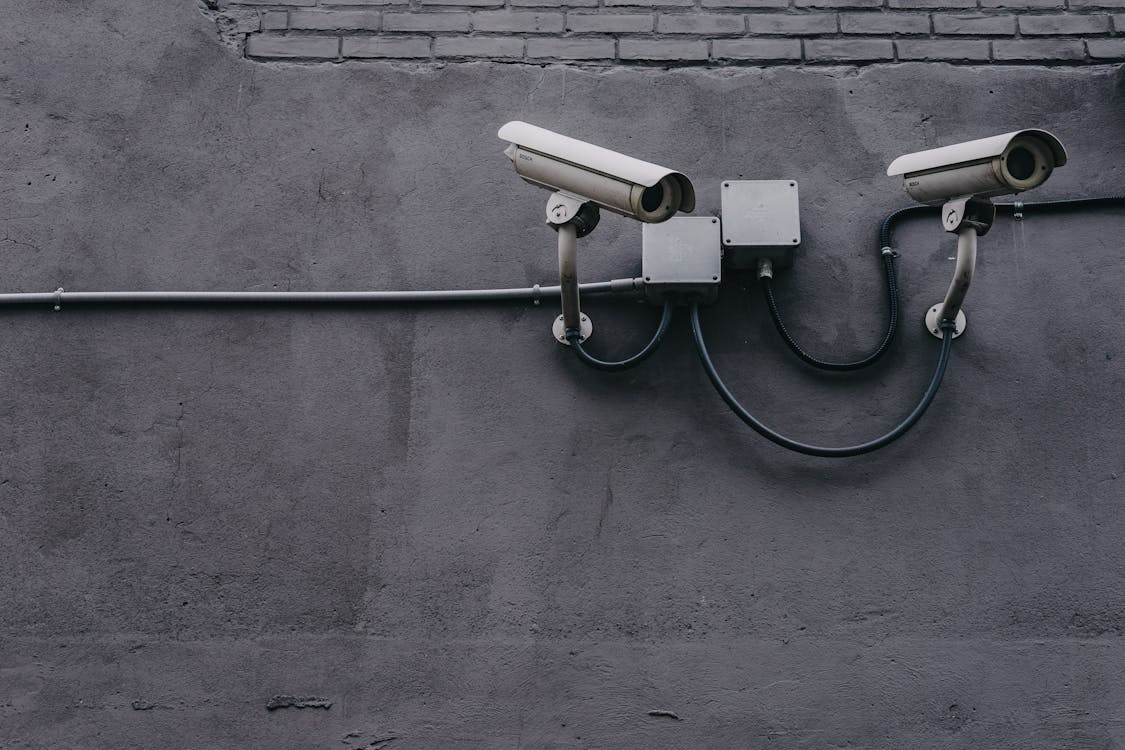
High-rise buildings never truly sleep. Even when the last employee departs, and the lobby lights are dimmed, the structure remains a massive repository of high-value equipment, sensitive data, and trade secrets. Providing 24/7 security services for commercial clients in Los Angeles ensures that the building’s “nervous system”—its vast network of CCTV, smoke detectors, glass-break sensors, and water-leak alarms—is always under the watchful eye of a central command center.
This command center acts as the tactical brain of the operation. In the event of a triggered alarm at 3:00 AM, a remote operator can instantly pull up the relevant camera feed and perform a visual verification. If a threat is confirmed, they don’t just call the authorities; they dispatch an on-site officer to investigate and mitigate the issue immediately. This seamless integration between technology and human response is what prevents a minor pipe leak from flooding a data center or a small electrical fire from consuming an entire floor. For commercial clients, this 24-hour vigilance is an essential safeguard against catastrophic loss.

Emergency Evacuation and Life Safety Planning
The greatest fear in high-rise property management is a fire or a natural disaster. Evacuating 50 or more stories of people is a logistical nightmare that requires months of meticulous planning and frequent practice. In these high-stakes moments, the role of security transitions from asset protection to life safety.
Strategic corporate office security management involves the creation and maintenance of a “Life Safety Team.” Security officers are specifically trained to take charge during a crisis. When an alarm sounds, they are responsible for:
- Guiding Tenants: Directing crowds away from elevators and toward the correct pressurized stairwells.
- Assisting Vulnerable Persons: Ensuring those with mobility issues or injuries are safely transported to “areas of refuge.”
- Fire Department Liaison: Providing arriving fire crews with the building’s Master Key, floor plans, and the exact location of the hazard as identified by the fire panel.
Because these security personnel are on-site 24/7, they act as the “First Responders before the First Responders.” In the chaotic minutes before municipal emergency services arrive, it is the calm, authoritative leadership of the security team that prevents panic and ensures an orderly, life-saving evacuation. This level of preparedness is the ultimate value of professional office building security services in Los Angeles.
Protecting the “Soft Underbelly”: Parking and Perimeters
Many security breaches in commercial real estate don’t start at the front door; they start in the parking garage. High-rise parking structures are often targets for vehicle break-ins or unauthorized loitering.
Professional office building security services in Los Angeles include dedicated parking patrols. These officers monitor lighting levels, check for “tailgating” through gate arms, and provide safety escorts for employees leaving late at night. By securing the parking and perimeter zones, the building creates a “buffer zone” that makes the interior even safer.

The Importance of 24/7 Security for Commercial Clients
For a corporate headquarters, a security lapse is more than a nuisance; it is a liability. If a server room is breached or an executive is harassed, the fallout can be measured in millions of dollars of lost productivity and legal fees.
By investing in 24/7 security services for commercial clients in Los Angeles, property owners ensure a constant “Presence of Authority.” This presence deters external threats, discourages internal theft, and provides the “Peace of Mind” amenity that top-tier corporate tenants demand when signing long-term leases.
Why Strategic Management is the Key to Success
In the end, great security is invisible. It is the silent turnstile, the polite greeting at the desk, and the well-practiced evacuation drill. Strategic corporate office security management is the thread that binds these elements together into a seamless safety net.
When property managers partner with elite office building security services in Los Angeles, they aren’t just hiring guards; they are hiring a management team that understands the nuances of the metropolitan corporate culture. They are investing in the longevity and the safety of their most valuable vertical assets.
Secure Your Vertical Assets with Allite Patrol and Security Services
The safety of your high-rise is too important to leave to chance. At Allite Patrol and Security Services, we understand the specific pressures of managing commercial real estate in Southern California. We provide the elite personnel, the concierge-level training, and the 24/7 oversight needed to protect your tenants and your investment.
Contact Allite Patrol and Security Services today to learn how our corporate office security management strategies can elevate the safety of your high-rise. Let us help you create a secure, professional environment for your corporate headquarters.
FAQs
- How does concierge security differ from traditional security?
Concierge security focuses on the “First Impression.” While they are fully trained in de-escalation and emergency response, their primary mode of operation is helpful and hospitable, making them ideal for high-end corporate lobbies where tenant experience is a priority. - Why are on-site security officers in Los Angeles necessary if we have cameras?
Cameras can only record an incident; they cannot stop one. On-site officers provide the immediate response needed to de-escalate a conflict, assist in a medical emergency, or physically prevent an unauthorized person from entering an elevator. - What is the benefit of 24/7 security services for commercial clients?
Many threats to corporate assets—such as data theft, fire, or vandalism—occur when the building is “empty.” 24/7 coverage ensures that these threats are identified and mitigated instantly, regardless of the time of day. - How often should we update our high-rise evacuation plan?
Ideally, the plan should be reviewed annually and practiced with at least two full-scale drills per year. This ensures that new tenants are familiar with the routes and that security staff are sharp on their responsibilities. - Can one security company manage both the lobby and the parking structure?
Yes. In fact, it is preferred. Having a single team manage all layers of the building ensures better communication, a unified reporting system, and a more cohesive safety net for the entire property.