Ensuring workplace security is a crucial aspect of running a successful business. A secure environment not only protects physical assets and sensitive information but also promotes a sense of safety among employees, which can lead to increased productivity and satisfaction. In this blog, we’ll discuss simple and effective practices to enhance security in your workplace without relying on complex terminology.
Conduct a Thorough Risk Assessment
The first step in strengthening workplace security is understanding the specific risks associated with your environment. Conduct an assessment to identify potential security weaknesses—like unsecured entry points, lack of surveillance, or inadequate emergency procedures. This process will help you understand where to focus your security efforts and resources.
Implement Access Controls
Limiting access to your facilities is one of the most effective ways to enhance security. Use key cards, codes, or biometric systems to control entry to sensitive areas within your workplace. This not only keeps unauthorized individuals out but also allows you to track who enters and exits specific spaces and when.
Train Employees on Security Protocols
Regular training sessions for employees on security best practices are essential. Ensure that everyone understands how to handle sensitive information, recognize phishing attacks, and report suspicious activities. Training should also cover response strategies for various potential threats, such as data breaches or physical security incidents.
Use Surveillance Systems
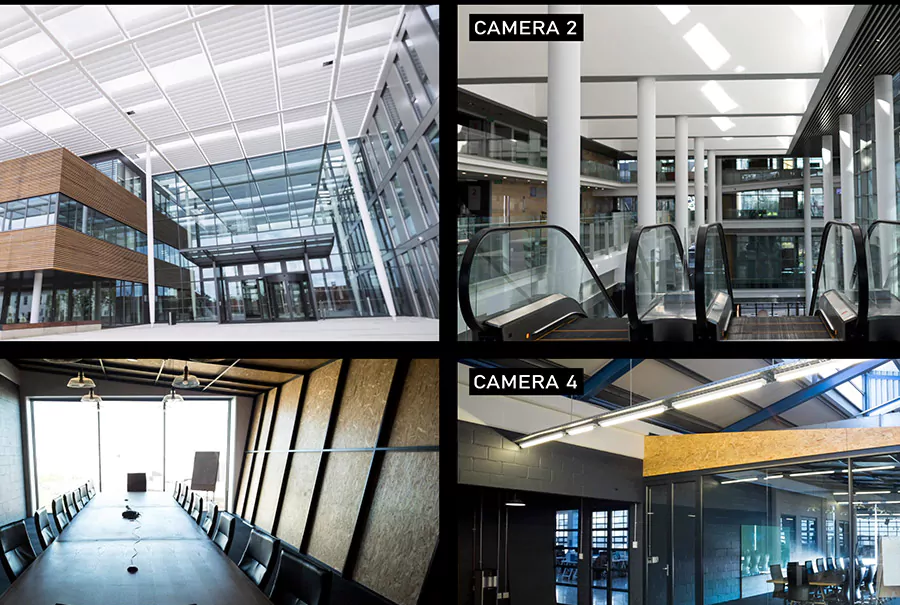
Installing cameras in strategic locations is a powerful deterrent against criminal activities. Surveillance not only helps in monitoring the premises but also provides valuable evidence in the event of a security breach or other incidents. Ensure that your surveillance system is regularly maintained and that footage is securely stored and accessible to authorized personnel only.
Keep Communication Channels Open
Create clear and open channels for communication regarding security matters. Employees should know who to contact in case of an emergency or to report unusual behavior. Regular updates about any changes to security protocols or issues are also crucial for keeping everyone informed and vigilant.
Maintain a Clear Visitor Policy
Having a clear policy for visitors helps prevent unauthorized access and maintains a record of who is on the premises. All visitors should check in and possibly be escorted during their stay. Visitor badges or passes can be used to easily identify and monitor guests.
Secure Sensitive Information
Sensitive documents and data should be kept secure at all times, with access limited to those who absolutely need it. Use encrypted storage solutions, secure cabinets for physical documents, and ensure that data protection practices are in line with regulatory requirements.
Regularly Update Security Software
Cyber threats are constantly evolving, so keeping your security software up-to-date is critical. Regular updates to anti-virus programs, firewalls, and other cybersecurity measures can protect your business from digital threats.
Create an Emergency Response Plan
An emergency response plan is essential for dealing with unexpected security incidents. This should include contact information for emergency services, a clear evacuation route, and strategies for handling different types of emergencies. Regular drills should be conducted to ensure that all employees know what to do in an emergency.
Review and Improve Security Measures Regularly
Security needs can change as your business grows or as new threats emerge. Regularly reviewing and updating your security measures ensures that your protocols remain effective. Solicit feedback from staff about security practices and consider it when making adjustments.
These best practices for workplace security are straightforward but effective. By implementing these strategies, you can create a safer environment that protects both your assets and your employees. Regular attention to security will not only help prevent incidents but also build a culture of safety and awareness within your workplace.