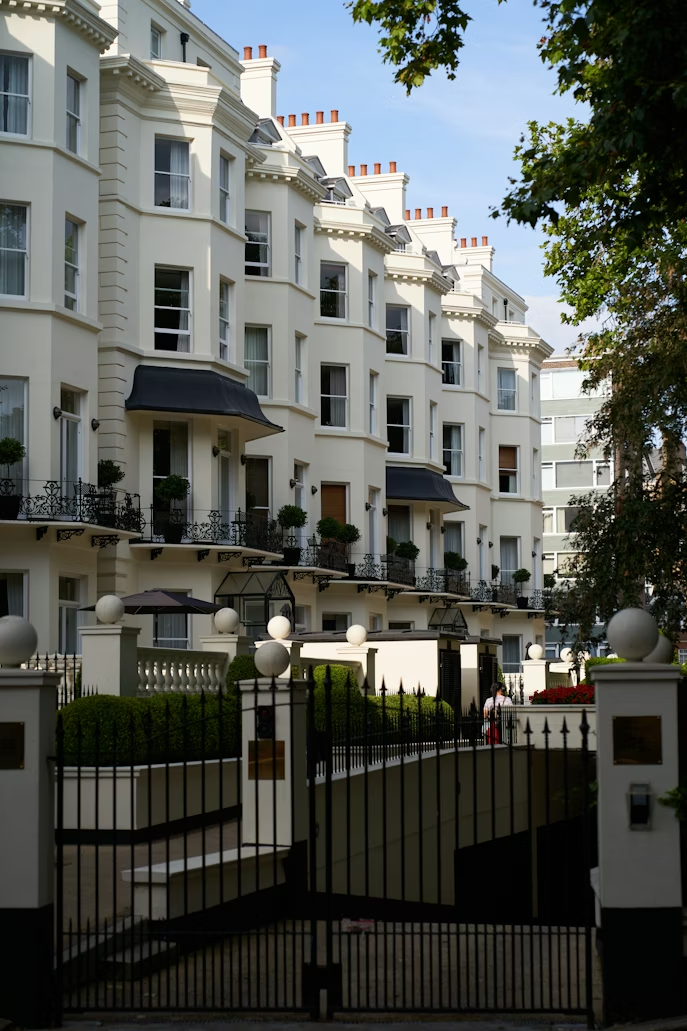
In the sun-drenched neighborhoods of Southern California, the home is more than just a physical structure; it is a sanctuary. For those living in gated communities, luxury estates, and high-end residential enclaves, the expectation of privacy and safety is paramount. However, securing a community is a delicate balancing act. It requires a robust defensive posture that deters intruders while simultaneously maintaining a welcoming, prestigious atmosphere for the families who live there.
To achieve this, modern residential security has evolved beyond the simple gate and padlock. It now incorporates high-tech integration, elite personnel, and specialized protocols designed specifically for the unique architectural and social landscape of Southern California.
The Evolution of Gated Community Defense
Gated communities in SoCal face a unique set of challenges. Because these neighborhoods are often associated with high-value assets and affluent residents, they can become targets for sophisticated criminal elements. Traditional security measures often fall short because they are too static or too intrusive.
The modern approach to residential security focuses on “concentric circles of protection.” This begins miles before an intruder reaches a front door, starting at the perimeter and moving inward to the community gates, the common areas, and finally, the individual residence. By layering technology with physical presence, security teams can identify and neutralize threats before they ever cross the property line.

Access Control: The First Line of Diplomacy
The community gatehouse is the heart of a neighborhood’s security operation. It is the filter through which all visitors, vendors, and residents must pass. However, the gatehouse is also a point of hospitality.
Professional HOA and property management security services in LA prioritize “concierge-style” security. This means guards are trained not only in defensive tactics and surveillance but also in high-level customer service. They act as ambassadors for the neighborhood, greeting residents by name and ensuring that guests feel welcomed rather than interrogated. This human-centric approach ensures that the community feels like a home, not a fortress.
Protecting the Perimeter: Tech-Enhanced Patrols
Sprawling gated communities often cover vast acreage, including hilly terrain and private parklands that are difficult to monitor from a single point. This is where advanced patrol protocols become essential.
Modern residential security utilizes a combination of GPS-tracked vehicle patrols and “smart” perimeter fencing equipped with vibration sensors and thermal imaging. If a perimeter breach is detected, the system instantly alerts the mobile units, allowing for a rapid response. For multi-family dwellings, these same principles apply. Specialized security services for apartment complexes in Los Angeles ensure that parking structures and common courtyards—often the most vulnerable areas—are under constant, randomized surveillance to deter loitering and vehicle break-ins.

The Role of HOA and Property Management Collaboration
A security plan is only as strong as its implementation. For Homeowners Associations (HOAs), the challenge lies in creating rules that provide safety without infringing on the lifestyle of the residents. This is why collaboration is key.
Top-tier HOA and property management security services in LA work directly with board members to identify specific community concerns. Whether it is managing the high volume of delivery drivers during the holidays or overseeing security for community events at the clubhouse, the security team acts as a flexible partner. They provide the data and reporting necessary for boards to make informed decisions about infrastructure improvements, such as lighting upgrades or new camera placements.
Safeguarding the “Urban Oasis”: Apartment and Condo Security
In the heart of Los Angeles, residential luxury often takes the form of high-rise condos and sprawling apartment complexes. These environments require a different tactical approach than a suburban gated community. With high foot traffic and shared entry points, the risk of “tailgating” (unauthorized individuals following residents through secure doors) is high.
Expert security services for apartment complexes in Los Angeles focus on internal transit points. This includes lobby desks that monitor elevator access and parking garage patrols that prevent unauthorized access to residential floors. By maintaining a sharp, professional presence in the lobby, guards deter package theft—a growing concern in urban LA—and ensure that only verified residents and their guests move beyond the public areas.
Incident Response and Emergency Preparedness
Security is about more than just preventing crime; it is about being prepared for the unexpected. Southern California residents must contend with unique environmental risks, including wildfires and seismic events.
A professional residential security team is trained in emergency evacuation procedures and first-aid response. In the event of a natural disaster, the security personnel are often the first on the scene, coordinating with local fire and police departments to ensure an orderly evacuation of the community. This level of preparedness adds an invaluable layer of “Authoritativeness and Trustworthiness” (E-E-A-T) to the neighborhood management.
Maintaining the Aesthetic of Safety
One of the primary reasons residents choose gated communities is the aesthetic beauty of the environment. Heavy-handed security, such as barbed wire or aggressive signage, can damage property values and resident morale.
Advanced security solutions favor “invisible” protection. This includes high-definition cameras camouflaged within landscaping, license plate recognition (LPR) systems that allow residents to pass through gates without stopping, and guards in professional, tailored uniforms that blend with the high-end environment. The goal is a community where residents feel safe without being constantly reminded that they are under watch.
The Future of SoCal Residential Protection
As technology continues to advance, we are seeing the rise of AI-driven surveillance and drone patrols for large estates. These tools allow for even greater coverage with fewer physical blind spots. However, no matter how advanced the hardware becomes, the “human element” remains the most critical component. The intuition of a trained guard to spot a suspicious vehicle or the ability of a patrol officer to assist a resident in need cannot be replaced by an algorithm.

Secure Your Sanctuary Today
Your home is your most significant investment and your family’s safest harbor. Don’t settle for a “one-size-fits-all” security plan. Whether you are an HOA board member looking for a professional partner or a property manager in need of elite oversight, Allite is here to help.
Contact Allite Patrol and Security Services today for a personalized consultation. Let us show you how our advanced residential security solutions can protect your community while enhancing the lifestyle your residents love.
- How does professional residential security balance safety with a welcoming neighborhood feel?
Elite security services utilize a “concierge-style” approach. Guards are trained in both high-level hospitality and defensive tactics, ensuring they can greet residents by name and assist guests while maintaining a firm, vigilant perimeter at the gatehouse and during patrols. - Can security services for apartment complexes in Los Angeles help reduce package theft?
Yes. By maintaining a professional presence in the lobby and conducting regular sweeps of mailrooms and common areas, security personnel act as a strong deterrent to “porch pirates” and unauthorized individuals attempting to tailgate behind residents into secure buildings. - What is the benefit of hiring specialized HOA and property management security services in LA?
Professional firms work directly with HOA boards to identify specific community vulnerabilities. They provide detailed digital activity reports and data that help boards make informed decisions about infrastructure improvements, such as lighting upgrades or license plate recognition (LPR) technology.