Modern security is no longer limited to a guard at a gate or a camera recording after the fact. Today, real protection comes from connected systems that communicate in real time, allowing trained professionals to detect risks early and respond with speed and precision. That is where a command center becomes a major advantage. By linking cameras, alarms, access controls, sensors, and live reporting, a centralized operation gives properties continuous oversight.
Here’s a detailed look at how a command center synchronizes your site’s defense and prevents threats before they escalate.
Where Technology and Human Judgment Meet
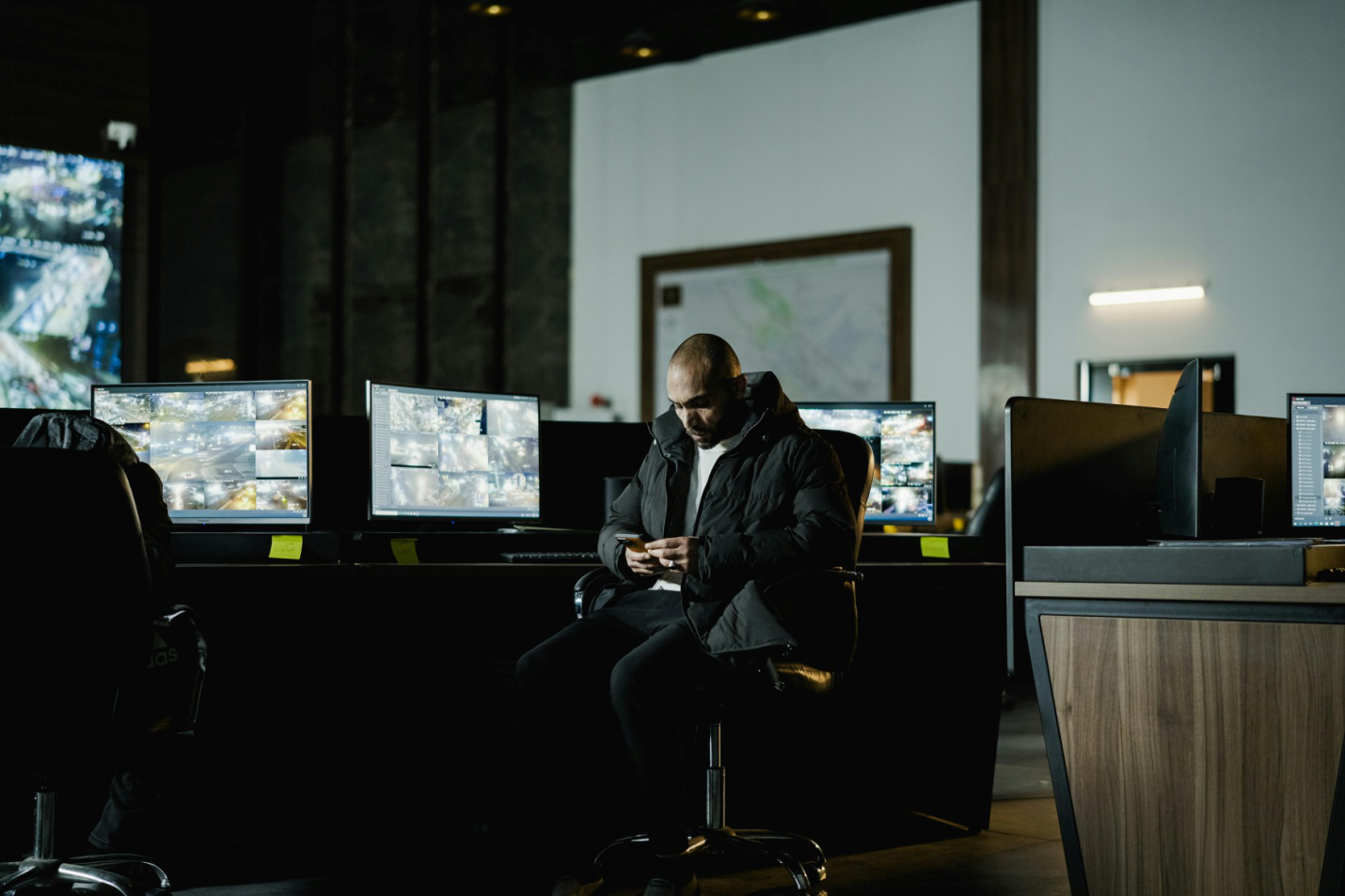
A professional command center is not just a room full of screens. It is the heart of an integrated security strategy. Remote operators receive live feeds from surveillance cameras, monitor motion alerts, review access events, and track unusual activity across sites. Since they are trained to interpret patterns instead of watching passively, they can identify behavior that suggests trespassing, theft, vandalism, or unauthorized entry before damage is done.
Technology alone does not make decisions. Cameras can capture movement, and sensors can trigger notifications, but human operators provide context. They can distinguish between normal activity and a real threat, then decide whether to notify management, dispatch support, or contact authorities. That combination of tools and judgment makes a command center a force multiplier.
How On-Site and Remote Protection Work Together
The most effective security programs do not treat remote monitoring and field presence as separate systems. They work best when they reinforce each other. A command center supports on-site security officers in Los Angeles by giving them intelligence, visual confirmation, and faster communication during operations and emergencies.
If a motion sensor activates near a loading area after business hours, the remote team can immediately review camera footage, confirm whether the alert is legitimate, and direct responding personnel to the exact location. If a gate is forced open or a door is propped, the command center can relay that information instantly. This coordination improves response time and situational awareness.
Continuous Oversight Changes the Security Equation

Criminal activity often depends on timing. People looking to trespass, steal, or damage property usually search for blind spots, slow response times, or moments when no one appears to be paying attention. A professionally run command center disrupts that strategy by ensuring there is always someone watching, reviewing, and ready to respond.
This is especially valuable for businesses that rely on security guard services in Los Angeles to protect large properties, multiple access points, inventory, or high-traffic environments. Instead of depending on occasional checks, clients gain a system that maintains awareness around the clock. This is one reason businesses seeking 24/7 security guard services in Los Angeles increasingly value integrated monitoring.
Smarter Prevention for Commercial Properties
Commercial sites face security challenges that rarely stay confined to one doorway or one shift. Office buildings, industrial yards, retail centers, construction locations, and mixed-use developments all have moving parts that require attention. A command center helps bring those moving parts together.
Remote operators can track perimeter activity, review parking lot movement, monitor alarm conditions, and verify access events in real time. When paired with field personnel, this creates a layered defense that helps stop incidents before they spread. For companies needing 24/7 security services for commercial clients in Los Angeles, centralized monitoring adds consistency that supports business continuity, tenant confidence, and asset protection.
Faster Decisions During High-Risk Moments
When a security issue develops, every minute matters. Delays in communication can turn a manageable concern into a larger incident. A command center helps reduce that delay by serving as a coordination point. Operators can assess the situation, communicate with site personnel, document events, and escalate based on established protocols.
This is particularly important when a property requires a stronger response posture or needs to hire armed security guards for high-risk assignments. Remote operators can support those teams with live updates, directional information, and incident confirmation, allowing them to respond with clarity and control.
Better Reporting, Better Accountability

A strong security program is not only about what happens during an incident. It is also about what gets documented afterward. A command center improves accountability by centralizing logs, video verification, alarm activity, access records, and communication history. That makes it easier for managers to review patterns, investigate incidents, and refine procedures over time.
This level of documentation is one reason many clients choose a licensed private security company in Los Angeles instead of piecing together separate vendors and disconnected systems. Unified oversight creates clearer reporting, stronger follow-through, and a professional standard of protection.
Why Centralized Security Feels Invisible but Powerful
One of the biggest advantages of a command center is that much of its work happens quietly. Visitors may not see the operators reviewing alerts. Employees may not realize a remote team is confirming access events in real time. Tenants may only notice that incidents are handled quickly and the property feels consistently controlled.
That is what makes centralized security feel like an invisible shield. It does not rely on constant disruption to prove its value. Instead, it creates a steady layer of protection that strengthens guards, technology, and property management at once.
Frequently Asked Questions
What does a command center do?
It monitors cameras, alarms, sensors, and access systems in real time to detect threats and coordinate responses.
How does it support on-site security officers in Los Angeles?
It provides live information, confirms alerts, improves communication, and helps officers respond faster and more accurately.
Is a command center useful for commercial properties?
Yes. It strengthens security guard services in Los Angeles by adding continuous monitoring across entrances, parking areas, and sensitive zones.
Can it help businesses that need around-the-clock coverage?
Absolutely. It supports 24/7 security guard services by maintaining constant awareness.
Why work with a licensed private security company in Los Angeles?
A licensed provider can combine trained personnel, technology, reporting, and response protocols into one coordinated protection strategy.
Stronger Protection Starts with Allite Patrol and Security Services

Allite Patrol and Security Services delivers advanced security solutions built around a responsive command center and real-time coordination. Our team provides 24/7 security guard services in Los Angeles supported by experienced on-site security officers, giving clients the confidence of awareness and dependable response.
We also offer armed and unarmed security services for businesses, fire watch security services, and mobile patrol security tailored to the needs of commercial properties, communities, and high-risk sites.
Contact us today and strengthen your security with a fully integrated command center backed by real-time monitoring and professional response.